


5 Common Mistakes in Background Screening and How to Avoid Them

Background Screning

5 Common Mistakes in Background Screening and How to Avoid Them

The mere notion of mistakes in background checks sends shivers down the spines of most HR managers. A mistake in personnel screening can have serious implications, ranging from disciplinary action to the loss of a potential recruit. Unfortunately, you won’t be able to protect yourself by omitting any job background checks. A bad hiring can expose your company to theft, lost time, and excessive turnover expenses. 


Background Screening is an absolute must. As a result, you must use caution when you conduct such checks. Fortunately, the majority of mistakes in background screening are quite simple to prevent. 

Table of Contents

Here are some of the most typical mistakes made during employment screening:

You Don't Have a Screening Policy That Is Consistent

Many errors in background screening may be traced back to one fundamental mistake: 

You took a decision that may be considered discriminatory. In many situations, it’s just an issue of inconsistent procedures. 


For e.g.: You may have run a credit check on one accounting applicant but not the other. Perhaps you ran a thorough background check on one candidate while settling for a short criminal report on another. It makes no difference how reasonable your reasoning is. When you subject various candidates to different standards, it always looks bad 

The Solution: Set a standard and stick to it.

Determine what information about a candidate for a given position is absolutely important to know. Do you have a criminal record? What is your credit score? Is there a cultural fit? 


Then devise a formal process for vetting each and every candidate in the same manner. Different methods might be established for various roles. However, if two candidates are seeking the same position, you should ensure that they are being reviewed using the same criteria. 

You don't allow applicants to correct background screening errors.

It’s easy to treat a background check report as a yes-or-no question when you’re in a hurry to make a hiring choice. Is the applicant’s record free of blemishes? If the answer is no, they’re out. If yes, they’re in. 

Pre-employment background checks, however, cannot disclose the whole story. 

The Solution: Provide applicants with an opportunity to reply to their screening results.

Asking otherwise potential prospects if they can explain a blemish on their record is always a good idea. Naturally, this adds to your HR manager’s workload. In reality, because follow-up takes time, failing to ask questions is probably a typical oversight. 

You Failed to Get Permission

Before performing background screening, you must get written authorization. This may seem too apparent to include among the most common background screening errors, but it does happen. 

The Solution: Ensure that the screening process cannot begin until your prospective employee gives written consent.

Asking for too much

Few employers are so keen to safeguard their company that they perform every background check they can think of. Imagine being pulled over for speeding and being asked for your driver’s license, registration, college transcript, work history, and three-character references. You’d most likely get defensive. You could also consider it a violation of your privacy. The majority of the documents had nothing to do with the officer. 


If you ask to view your credit report and driving record, a graphic designer is likely to feel the same way. It’s like digging into someone’s personal life for information that has nothing to do with the candidate’s potential to serve your organization.

The Solution: Only look at records that are relevant to the position—no more, no less.

Take a step back and consider what you truly need to know about a prospect before you can trust them with your organization.

Conducting Social Media research personally

Of course, one of the most typical mistakes in background screening would be using social media. Is there any element of modern professionalism that hasn’t been impacted by social media? Many companies, understandably, use social media to assess candidates for cultural fit. It’s reasonable, but it’s also inconvenient. Why? 


Because social media has a lot of information you don’t want to know the information you couldn’t lawfully question in an interview. You could find out about a candidate’s age, religion, sexual orientation, or political views. You may learn whether they have children or if they’ve had any recent health problems. Anyone would have a hard time proving you discriminated against them based on this information. However, as a general rule, it’s preferable to stay away from acquiring this information while making recruiting decisions. 

The Solution: For cultural fit tests, use a professional employment background screening agency.

An employment screening agency can assess a potential hire’s character objectively. They can give data that helps you to make informed human capital decisions while concealing information that could lead to unconscious prejudice. Furthermore, when it comes to human capital due diligence, a professional background screening business is likely to be more experienced. It is, after all, what they do on a daily basis. They understand what to search for, where to look for it, and how to interpret the information. 

Professionals should handle social media screening and other cultural fit studies. 

How can MIMO help?

By partnering with a third-party background screening company, you will be able to receive all the information you need quickly. Working with a reputable background check firm will save you time and money while also ensuring that you remain compliant in the customer screening process. 


The simple truth is that recruiting the best personnel is a rigorous competition, and you must be at the top of your game to attract and keep the best. Making the right hiring decisions will have a significant influence on your business, resulting in higher productivity. MIMO offers all-inclusive background check services with a focus on compliance adherence to provide you with the most reliable and up-to-date details. 

Like this article?

Share on facebook
Share on twitter
Share on linkedin

More To Explore

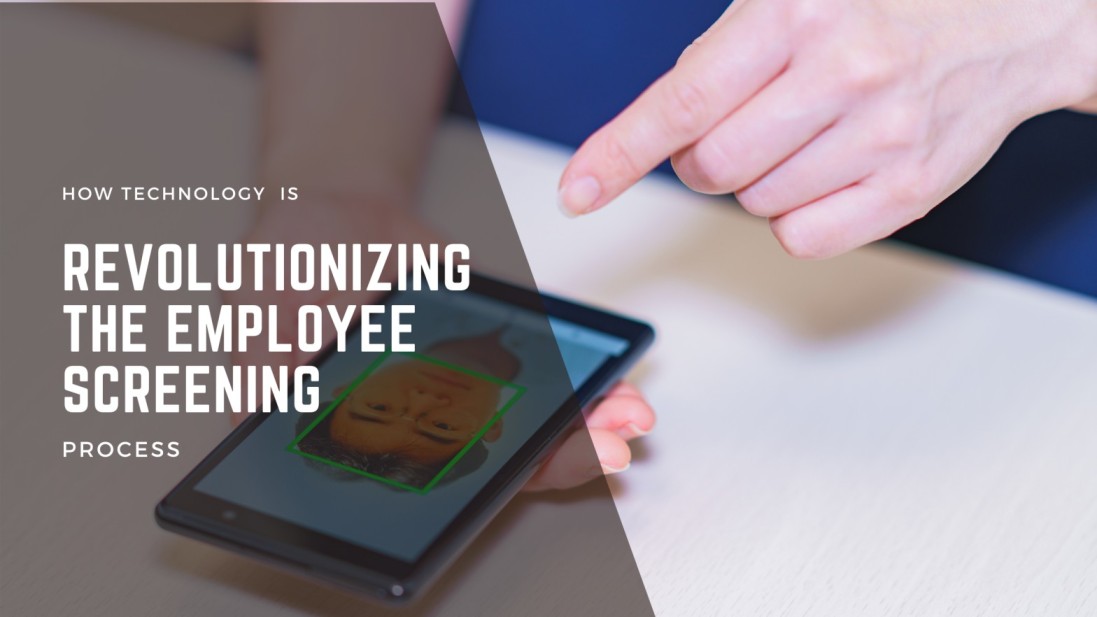
How Technology is Revolutionizing the Employee Screening Process

Employee Screening

How Technology is Revolutionizing the Employee Screening Process

Is it necessary to digitize personnel records? If that’s the case, how can it be of assistance?

Digitalization of data may be extremely beneficial in one area, namely conducting background checks on prospective workers. According to a recent poll done by EY, organizations may use technology-driven tools and solutions to complete employee screening in the wake of the Covid-19 epidemic and shutdown.

An online poll was used to interview top executives from HR departments around the firm. According to the findings, 68% of respondents had difficulty conducting background checks during the lockdown. 

Table of Contents

Technology has influenced nearly every aspect of our lives today, so it’s no wonder that it’s changed the way employee screening is conducted. The speed with which background screening can be conducted is one of the most important effects of technology. What used to take days, weeks, or even months to properly examine may now be found practically immediately. 


Individuals, small companies, and others who would have found the processing time and expenses prohibitive in the not-too-distant past now have the capacity to perform simple employee screenings thanks to technological advancements. 

Background Verification Benefits from the Technological Revolution

A HR department’s major job is to find and hire qualified and dependable employees for the firm. Employee Screening has been totally transformed by modern technology, making the process of recruiting new employees far less labor-intensive. If a recruiter begins reviewing a large number of applications and then verifies the given information, it may quickly become a tedious and time-consuming process, causing them to overlook a suitable applicant. So, by incorporating cutting-edge technology into the recruiting process, a firm may not only improve its efficiency but also save a significant amount of time. 

AI and Machine Learning

Employee Screening has been reimagined thanks to artificial intelligence (AI) and machine learning. The advanced algorithms can scour a much bigger dataset for links that can be used to piece together a coherent background report from sources all around the country and the world. 


Machine learning lets the computer “learn” as new information is absorbed, and AI can detect trends and patterns. The algorithms can then take the massive amount of data, put it into pre-defined data points, and spew out results that are simple to read and comprehend. 


People-oriented research has nearly vanished from the employee background screening process, leaving people free to decide how information should be presented and used rather than sifting through countless databases in search of answers. 

Predictive Technology

Employee screening using predictive technology is a cutting-edge use of technology that has been available for a long. The underlying idea is that by combining AI and machine learning, a person’s background knowledge may be used to generate reasonably accurate predictions about future behavior. 


The programme, which comes in a variety of flavours, detects potentially dangerous behaviour and assesses the risk it poses in various circumstances. For example, the predictive analysis for someone looking into a possible child care provider will differ from someone looking into the same individual as a potential manufacturing machine operator. 


Concerns about bias and accuracy have fueled opposition to predictive technology. Despite the fact that firms selling predictive technology describe it as nothing more than a tool to warn potential employers to potential problems, the potential for abuse in how the “predictions” are used still exists. Time and technology, on the other hand, march on, and predictive technology appears to be here to stay. 

Being technologically responsible

Data possesses enormous power; therefore, data privacy is a serious concern. In this sector, digitization comes with the duty of keeping user data secure and safe. As background verification rules and demands change, it becomes an inherent duty of service providers to handle this data appropriately, and all firms in this area must take this seriously. As a result, our area requires robust regulations, data security procedures, and adherence to worldwide norms. 


In the verification space, technology’s importance will only grow. Background data intelligence will help employers easily identify genuine candidates and hire employees with proven backgrounds of identity, profile, and reputation as more government bodies, educational institutes, and businesses move toward digitizing their databases and AI-technology becomes more intuitive with machine learning.


It may be argued that cutting-edge technology such as Artificial Intelligence and Machine Learning will help analysts replicate their cognitive processes by assisting them in identifying connections, deciphering their meaning, and raising red flags as needed. Data may be gathered from a variety of places online, including social media, blacklists, negative media, court records, and other internet platforms. 


This is the era when technology is dictating the process of employment background checks and how they should be used. So, like every other industry that technology has transformed, background screening will experience a transformation, although for the better, thanks to the tremendous power of technology! 

How can MIMO help?

With the latest technology in operation, MIMO’s background screening services can be used to perform verification quickly and easily by organizations. Companies need to send a request to MIMO for a background check and they can receive all relevant records without delay. This will help you save a lot of time, which you can then utilize for more productive tasks. 

Like this article?

Share on facebook
Share on twitter
Share on linkedin

More To Explore

Effective Ways to Improve Cash Collections and ensure timely Payment Settlements

Employee Screening

Effective Ways to Improve Cash Collections and ensure timely Payment Settlements

Many small businesses find it difficult to collect money from their consumers. However, sometimes it is the business owners who are to blame. Many businesses have inefficient invoicing and collection procedures that lead to readily avoidable issues. 

Table of Contents

Here are a few ways to keep the cash flowing:

Improve your invoicing

Many small businesses find it difficult to collect money from their consumers. However, sometimes it is the business owners who are to blame. Many businesses have inefficient invoicing and collection procedures that lead to readily avoidable issues. 

Improve your invoicing

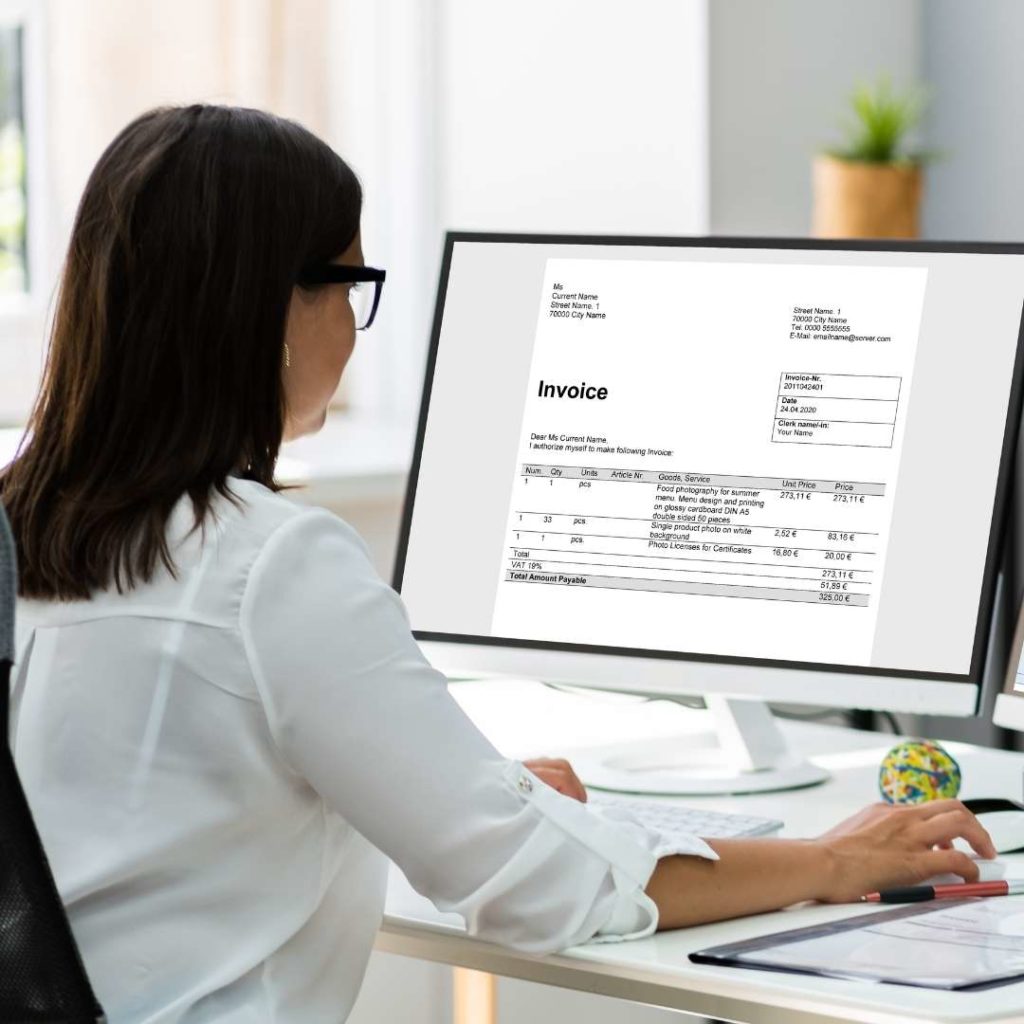
Many firms harm themselves by issuing invoices that aren’t prepared well. Bills and invoices must be detailed while remaining basic and straightforward. Everything should be itemized on the invoice, and it should be sent as soon as possible. This eliminates the uncertainty and questions that lead customers to wait. Avoid using charming graphics or flashy colors that detract from the invoice’s essential business function. Make it clear how checks should be written, where they should be mailed, the due date (or simply “On Receipt”), and any instructions for paying online, by credit card, debit card, PayPal, or other means. 

Use a billing or invoicing service that is cloud-based

 Small enterprises, self-employed professionals, and freelancers can benefit from online invoicing and billing services. Bill.com, for example, is a popular online invoicing solution that can help you streamline and speed up your accounts receivable process. Invoices can be quickly created, sent, and tracked. Customers may view and pay your invoices online, and the money is deposited directly into your account. 

Provide discounts for early payment and pre-payment

Many car rental businesses and hotels offer two prices when you hire a car or make a hotel reservation: A lower price if you pay in full now, and a greater price if you pay later. Why don’t you give it a shot? Consider giving a 2% to 5% discount for paying in advance. Customers will be rewarded, and you will save time and work by not having to try to collect afterwards. 

Set a late payment penalty

First, you’ll need to create a clear and consistent policy that explains how late payments can result in a fee. Even if you don’t charge the cost or waive it for loyal clients who are late for legitimate reasons, simply stating it on your invoices will encourage fast payment. 

Deposits, down payments, and/or progress payments are required

While this is standard operating practice in various industries and professions, it can be used by a variety of small enterprises. Don’t be scared to request a portion of your payment up front and further payments as the project progresses. 

When it comes to missed payments, take a personal approach

If payment is sluggish to arrive, follow up personally and courteously. It’s more likely to fail if you ask a clerk, bookkeeper, or someone else to make these connections. Personal attention may also offer you useful information on why the payment is late, such as customer service or product issues. 

Check the creditworthiness of your customers

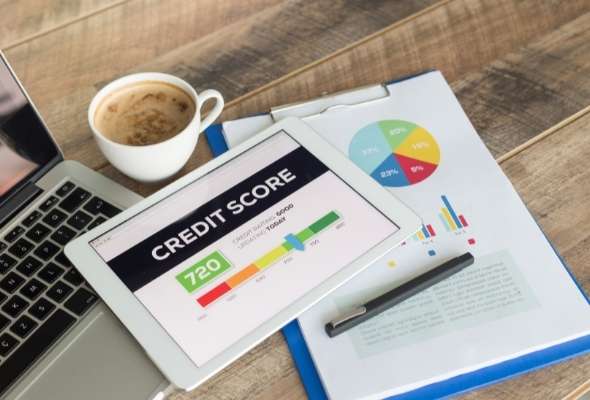
Customers’ credit ratings are being checked by an increasing number of small enterprises, both businesses and consumers. Experian, Transunion, and D&B are just a few of the credit scoring companies that offer low-cost options for small enterprises.

Send links

Set reminders and safeguards

A step-by-step timetable for initial invoicing and follow-ups is essential for effective billing and collections. This should include a policy of issuing invoices as soon as possible and following up with letters, emails, or phone calls if payment is not received within the time limit provided. Your invoicing process should also incorporate protections to ensure that the correct invoice is always sent to the correct customer. Make use of an invoice numbering scheme and avoid repeating numbers. This might lead to a lot of misunderstandings and delays. 

Develop a backup plan

If at all possible, at least two persons should be able to manage your company’s invoicing and collection obligations. Invoicing won’t come to a halt whether someone goes on vacation or quits.

How can MIMO help?

Our cash collection service is convenient since it ensures the security of your money without forcing you to leave your office. MIMO Cash Collection Service takes care of all of your cash management needs and keeps your cash deposits safe, allowing you to maximize your cash flow. MIMO provides a simple-to-use solution that takes care of all of your financial needs, from cash deposits to e-money transfers. The entire collection and deposit process is handled by our qualified personnel, reducing the danger of theft, cash mishandling, and fraud. 


The worlds of payments and communications are rapidly evolving, and emerging technology will assist in streamlining the payment process for consumers, ensuring that invoices are paid on time, and reducing the burden that comes with nonpayment for small business owners.

A few benefits of adopting our software model entails:

Like this article?

Share on facebook
Share on twitter
Share on linkedin

More To Explore

Challenges and Opportunities in Last-Mile delivery

Employee Screening

Challenges and Opportunities in Last-Mile delivery

As the market expands, we’re seeing significant shifts in buyer wants and expectations, particularly in the shipping and logistics sector. Previously, a delivery period of 5-6 days was considered typical, but now, if companies take the same time, customers are more likely to cancel their orders since they know that other companies might deliver the same product in a matter of hours.


Retailers are looking for rapid, flexible last-mile delivery solutions to meet the increased need for seamless, immediate delivery. To comprehend this, we must first understand what last-mile delivery entails and what the primary last-mile issues are. 

Table of Contents

The delivery step from the warehouse to the customer’s doorstep is known as last-mile delivery. The main goal of last-mile delivery is to deliver the package as rapidly as possible. 

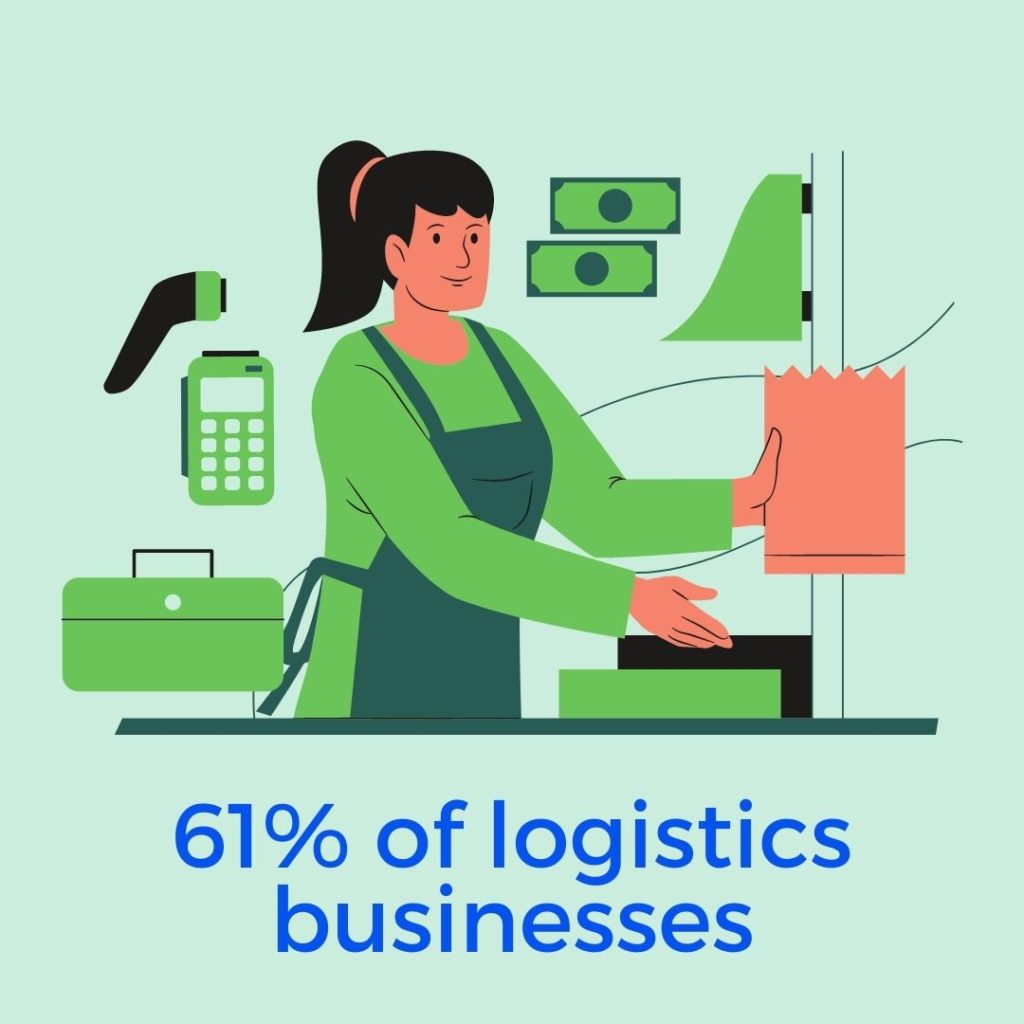
Last-mile delivery is the most inefficient procedure in the entire delivery chain, according to 61% of logistics businesses. So, let’s take a look at some of the most crucial aspects that influence last-mile delivery.

Common Challenges in Last-mile Delivery:

Lack of Transparency

Buyers want to know where their merchandise is located and when it will arrive. As a result, the most important criterion for developing trustworthiness is visibility. The majority of firms provide package trace IDs that display the product’s delivery status. People aren’t happy with tracking codes in today’s tech-driven environment. Even if the delivery is made the same day, they want to inspect every stage of the last mile procedure.


High Delivery Costs

Retailers and logistics businesses face a problem in providing an excellent delivery experience while being profitable. In fact, the last mile alone accounts for 28% of the total delivery cost. A lack of infrastructure to deliver things on time is one of the key factors. Failed deliveries, long routes, driver salaries, and fleet operations all have a substantial impact on delivery costs.

Unpredictable Factors

We can only foresee one thing when it comes to last-mile delivery: it is unpredictable. Some last-mile issues are beyond human control, such as traffic, weather, and flat tiresThe only thing logistics businesses can do is maintain constant communication and devise a backup plan for delivering goods fast. 

Route planning that isn't up to par

Route planning can be perplexing and psychologically draining for a novice. Several elements, such as fuel efficiency and environmental restrictions, play a role. The main cause of late deliveries is ineffective route planning. Logistics organizations can utilize route optimization tools to overcome this barrier and increase efficiency. 

Opportunities in Last-Mile Delivery:

Drones and delivery bots are both on the rise

Several logistic organizations are experimenting with robotic equipment such as drones and self-driving cars to undertake last-mile delivery. Amazon has already made a $530 million investment in Aurora, a self-driving car startup. Companies must, however, obtain authorization from government authorities before employing them. 


Increase in the number of urban warehouses

As the concept of same-day delivery grows in popularity, eCommerce companies will need to begin constructing warehouses in major cities. It is critical to have warehouses in cities so that things can be delivered quickly. This not only speeds up delivery but also makes delivery agents’ jobs easier.

Smart Tracking Technology

Send links (1080 × 1080 px)

Technology such as LI (Location Intelligence) is being used by logistics companies to improve the last mile delivery process. This technology includes capabilities such as real-time tracking, better visibility, route optimization, and fleet management. 


The LI system tracks the shipment’s progress, keeping users up to date on the delivery status. Retailers may take use of this technology by monitoring weather conditions and optimizing routes to deliver packages in the best possible conditions. This technology aids eCommerce businesses in overcoming the obstacles of last-mile delivery. 

Environmental Policy

To provide a fantastic delivery experience to clients, businesses must collaborate with numerous logistics companies. An eCommerce firm, on the other hand, can be a big source of carbon emissions. With customers becoming increasingly conscious of environmental issues, last-mile solutions that reduce pollution must include electric vehicles. Companies reduce carbon emissions and work in a more environmentally responsible manner by employing EVs.

Enabling last-mile delivery & logistics for E-commerce

Are you looking for a quick way to track orders in real-time, as well as last-mile delivery and e-commerce services? Using the intelligent MIMO application framework, MIMO has efficient end-to-end Transshipment logistics. The framework manages and optimizes last-mile delivery & e-commerce logistics across the entire distribution chain for your back-end functions with transparency and seamless integration. 


Successful management of the transportation distribution process is becoming increasingly important nowadays. MIMO Technologies offers a tech-enabled platform to easily transport goods and products and achieve a high degree of precision in e-commerce and last-mile delivery. 


Our field officers are qualified to complete deadline-oriented work and deliver it to your customer in India’s most remote locations within pre-determined timelines. More than 14000 field officers serve in various rural and semi-urban areas. 

Why choose MIMO for last-mile delivery?

The most critical part of the supply chain business is last-mile distribution. From quick real-time order monitoring and timely updates to smooth delivery, our tech-enabled platform ensures on-time deliveries.  


Our team consists of highly skilled professionals who are drawn to deadline-oriented work and can move your products from your warehouse to your customer in the most remote locations within pre-determined timelines.

Like this article?

Share on facebook
Share on twitter
Share on linkedin

More To Explore

Key Challenges in the Digitization of the Supply Chain

Employee Screening

Key Challenges in the Digitization of the Supply Chain

Digitization may be the most popular buzzword in today’s global supply logistics. However, the trend toward an end-to-end (E2E) digitally-driven supply chain is more than just a fad; it signifies a fundamental transformation in how planners and managers manage and deploy their planning and production processes. 


If we define supply chain digitization as the movement toward a fully integrated sequence of planning and production solutions that work together to create a more visible and agile supply stream across, it’s easy to see why this is a top priority for companies looking to stay competitive and grow in the twenty-first century. Not only can digitization help businesses run more efficiently and effectively, but it also gives them the flexibility and reactivity they need to handle and prevent any breakdowns in demand planning, production, transportation, and yard or container management. 

Table of Contents

However, as digitization becomes more of a necessity across the supply network, planners and managers must examine the obstacles and dangers of reworking their supply pipelines to conform to a more digital platform. As a result, businesses must consider a number of critical concerns, including What are the risks of embracing digitization and reengineering a company’s supply chain? What should firms keep in mind when implementing an all-digital platform into their supply chain management strategy? And how can these hazards be avoided so that genuine end-to-end (E2E) visibility can be achieved?

Companies seeking a better knowledge of their entire supply condition and the efficacy of their planning and production procedures may find the answers to these questions to be very helpful. With that in mind, let’s look at some of the significant issues in digitizing the supply chain, as well as why firms should consider them while reengineering their supply networks.

Integration of systems and solutions

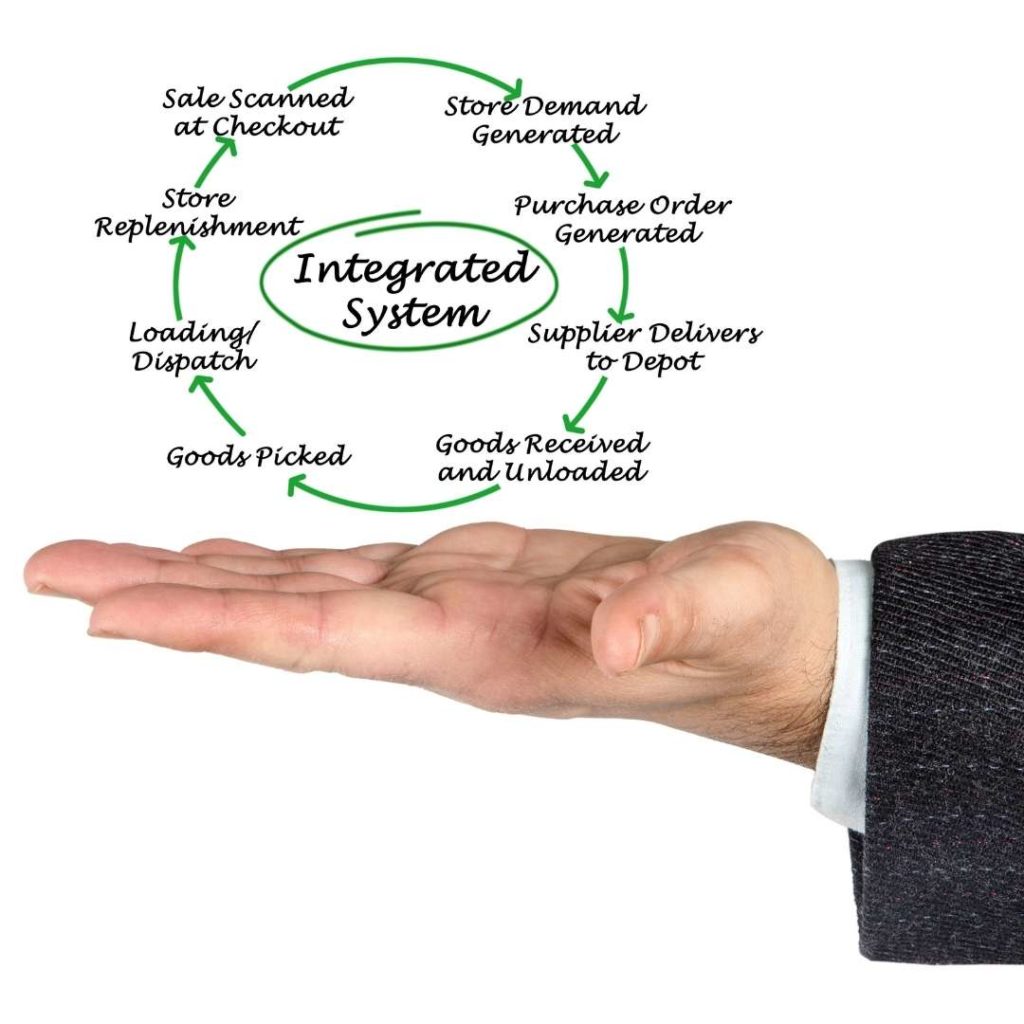
The full integration of supply chain solutions as a primary driver of this digitization is perhaps one of the most typical problems in establishing a digitized supply stream. Because the complexities of today’s automotive supply chain are so diverse, organizations frequently use a variety of planning, production, and reporting/data management solutions at the same time. Developing a digital supply chain strategy necessitates a top-to-bottom approach that unifies all applications. The successful development and implementation of such a strategy will aid in the elimination of functional silos as well as increased communication and collaboration around planning and production benchmarks and targets.

Connecting disparate data points and sources

In recent years, the Internet of Things (IOT) has emerged as a force in supply chain management, allowing for more accurate, responsive, and accessible data management and analytics as well as integrating systems and solutions. Digitizing the supply chain uses the Internet of Things to connect multiple means of gathering, organizing, and assessing data, allowing planners and managers to produce more accurate demand projections and more effective planning strategies. Furthermore, the spread of Industry 4.0 has hastened this convergence. 


The linking of data sources aids planners and managers in developing enhanced what-if scenarios and simulations, both of which are crucial for driving production program planning schemes. If these connections aren’t managed and administered, vital data points and actionable data won’t be used to determine how effective and responsive a company’s planning and production strategies can be. 

Communication and teamwork must be encouraged

Digitizing the supply chain is a crucial step in breaking down communication barriers within a company. This means that main stakeholders in the supply chain will be better able to share data, collaborate on crucial initiatives, and work together to guarantee that processes are seamless and free of bottlenecks, disruptions, and failures. 


Because a digitized supply chain is built in part on a central data storage hub with many access points, the days of waiting days or weeks to evaluate data sets and transmit the conclusions of said data are long gone. A key driver of end-to-end (E2E) visibility is the ability of those in the supply chain to access data and express its importance in real-time. 

Some planners and managers feel that because a manufacturer implements integrated planning solutions and properly controls data sources, the collaboration will just happen. This could not be further from the truth. Collaboration and coordination throughout various stages of the supply chain are crucial functions that must be formed, nourished, and grown over time, rather than byproducts of digitization. 

How can MIMO help?

The influence of digital transformation is obvious in today’s fast-paced, tech-focused world. Established firms are being disrupted by ever-changing and growing technologies. As a result, to move forward, business owners must invest in transformation. 


However, for firms that did not begin digitally, automating, and redesigning processes to improve operations is sometimes insufficient. They must also create effective consumer and employee experiences. This often necessitates firms transforming existing structures and procedures into digital processes via a robust plan devised with the assistance of digital transformation consultants. 

Is your business digitizing its information? Is your company being challenged by digital transformation considering that everything is now online? Are you interested in digital transformation? MIMO keeps up with these changes and has extensive experience in its successful implementation. We can assist you in digitizing, digitalizing, and ultimately digitally transform your company.

Like this article?

Share on facebook
Share on twitter
Share on linkedin

More To Explore

How Motor Vehicle Record Background Check can assist your organization on a safe journey?

Employee Screening

How Motor Vehicle Record Background Check can assist your organization on a safe journey?

Is it necessary for your staff to utilize vehicles in order to do their jobs?

If you answered yes, you must make sure that anyone driving on your behalf has a clean driving record. To do so, you must conduct annual motor vehicle record (MVR) checks on all of your drivers. 

Unsuitable drivers can be removed from your payroll, saving you time, stress, and money.

But what is a motor vehicle record? 

Let’s Find Out. 

Table of Contents

What Is Motor Vehicle Record Driving Record?

An MVR, or motor vehicle record check, is a record of a person’s driving history. Simply told, it refers to the pertinent information regarding a person’s driving history, such as license class, endorsements, restrictions, standing, suspensions, and expirations. 


Furthermore, while driving, a motor vehicle record includes tickets, traffic offences, and criminal convictions. Let us explore why an MVR is important for a company. 

Why Are Motor Vehicle Record Checks Important?

Wondering how a motor vehicle record check can benefit your company and those others on the road?

Here are a few reasons to convince you: 

Brand protection

When it comes to brand reputation management, you must always be alert. Swift and preventive capabilities are critical for protecting your company’s hard-won brand reputation and image. 


Your management team can stay one step ahead of any potential damage to your brand image by doing periodic motor vehicle record checks. 

Safety

Above and beyond the other advantages, you have the option of removing a potentially dangerous driver from the road—temporarily or permanently. So, why not use an MVR check to make the roads (and, as a result, the people) safer? 

MVRs provide details on a person’s driving behavior and how they will drive on your behalf. Certain employers think that a person’s personal driving habits have no influence on how they drive a work car. 

Others, on the other hand, believe that if a driver engages in unsafe behavior in their own vehicle, they will do so in the business vehicle as well. Increased traffic violations, avoidable accidents, insurance expenses, and other personal problems may result as a result of this. 

However, you must consider if a person would be more cautious if driving a business vehicle. Or would they be able to flip between several different driving styles and attitudes? We believe it makes perfect sense in this situation. When judging a driver’s record, you must exercise extreme caution. 

What do employers stand to gain with an MVR check?

Employers often use an MVR background check to establish how qualified and responsible an applicant is for a job that requires a lot of driving. Employers hire employees to drive for their firm or organization when they fill a driving role. As a result, the employer will have some responsibility for the driver’s actions behind the wheel. 


Hiring a driver with a history of license suspensions or a long list of traffic violations, or whose license does not fit the position’s criteria, is a legal, financial, and public image risk for a company. Employers will look for warning signs that indicate a candidate should not be trusted with a company car or the responsibility of representing their brand on the road. 


Is your driver’s license valid, or has it expired, been suspended, or been revoked? Is the driver qualified for the job if it requires a commercial driver’s license or a higher level of licensing class or endorsement? Has the motorist been in a high number of accidents or received a high number of speeding tickets? Has the driver ever been convicted of driving while intoxicated or other offences behind the wheel? 


These and other issues can be answered by an MVR check, which gives an employer a complete picture of the candidate and how responsible he or she is as a driver. 

How to conduct an MVR check:

Working with a reputable background check business is the best approach to obtain a candidate’s motor vehicle record. Background screening companies not only know which databases to examine at the Department of Motor Vehicles, but they also comprehend the particular “language” of driving record reports. 

Like this article?

Share on facebook
Share on twitter
Share on linkedin

More To Explore

How to Use Survey Incentives to your Benefit

banner

How to Use Survey Incentives to your Benefit

Offers or gifts are given to survey participants as survey incentives. These promotional items encourage people to fill out surveys and give honest feedback to businesses. 

Table of Contents

Incentives for surveys come in a variety of shapes and sizes. Some businesses employ monetary incentives, while others advertise free product trials. Your rewards should be unique and reflect the effort that participants will put into your questions, depending on the survey and information you’re attempting to acquire.


A few of the most basic questions when it comes to offering incentives for your survey are: Are incentives needed? 

How to determine if incentives are needed? And, if you want to employ survey incentives the right way, what are the best ways to do so? 

Let us explore some common methods which you can employ when offering incentives for your survey.

Determine if your survey needs an incentive

Avoiding an incentive is the greatest method to ensure that your data is unbiased. There is no need for an incentive if your survey has a high response rate and clients are eager to fill it out. NPS® surveys, for example, rarely require an incentive. These are one-question forms that may be completed in a matter of seconds. Including an offer here is pointless because it will not result in a significant increase in responses. 


Choose a survey that you know your clients will be hesitant to fill instead. These could be product reviews, usability tests, or any other activity that needs the participant to devote a significant amount of time. If your participants are coming to your office for a focus group or a testimonial, this is a great time to lure them with an incentive. The aim is to express gratitude to customers for taking the time to provide insightful feedback to your company. 

Select the type of survey incentive

 It’s critical to think about your target audience and select an incentive option that corresponds to their individual demands and interests. Here are a few options for you to consider: 

Monetary Incentives

Monetary incentives are offers that are based on money. Customers may redeem these discounts, coupons, and giveaways at your business. Alternatively, you can team up with another company to offer discounts on each other’s items, thereby broadening your reach and pooling prospective leads.

Non-Monetary Incentives

Non-monetary rewards are usually more distinctive than monetary rewards. This is because these offers are tailored to the needs and objectives of the participants. They assist respondents in completing activities that they were unable to complete prior to finishing the survey. 

Estimate the value of the incentive being offered

When implementing survey incentives, this is likely the most crucial stage. You must ensure that your offer is worth the time and effort that participants put into your surveys. People will be uninterested if it is too little. If it is overly valuable, you might lose money in the long run. 


A few variables must be considered when looking for a suitable reward. First, consider your budget and what you can afford to offer. Next, consider the size of your target audience and what you could offer if everyone took part in your survey. Finally, think about how you’ll provide your reward and whether you’ll need additional funds. 

Decide on an effective delivery channel

After you’ve decided what you’ll offer, think about how you’ll deliver it to your participants. This is mostly determined by the medium in which your survey is conducted. 


If your survey is sent via email, for example, your incentive should also be digital. It would be strange to mail a coupon or discount when you’ve just sent the customer an email, unless you’re offering a significant incentive. 

In-person rewards work the same way. If you are asking participants to come to your offices, don’t have them leave empty-handed. It’s an unsatisfying experience to arrive expecting a present only to be told that it will arrive three days later in the mail.

Pick a suitable time to offer the survey incentive

The final stage is to choose the time of what you’ll offer and how it’ll be delivered once you’ve decided what you’ll offer and how it’ll be delivered. The timing of your offer can have a significant impact on how your customers respond to your survey. You have two possibilities for disseminating your offer, as shown below.

Prepaid Incentives

Prepaid incentives can be monetary or non-monetary, and time is what sets this type of offer apart. Participants are provided pre-paid incentives before the survey is completed. This is done with the hope that the respondent would finish your survey completely and without skipping any questions.

Promissory Incentives

Promissory incentives are the polar opposite of prepaid incentives. They’re introduced at the start of the survey, but they’re only given out at the end. This encourages participants to finish longer, more boring, or repetitive forms.

How can MIMO help?

MIMO offers premier Data Collection solutions that are both qualitative and quantitative. Our Survey and Data experts coupled with our tech-enabled platform have ensured successful survey data collection across various geographies within specified timelines. We assist our clients in gaining access to their target respondents and collecting the required data in a simple and efficient manner. 

Like this article?

Share on facebook
Share on twitter
Share on linkedin

More To Explore

8 Pros and Cons of Using Survey Incentives

11

8 Pros and Cons of Using Survey Incentives

One of the biggest challenges researchers face when conducting a survey is getting responses. 

You can create a fantastic survey, ask all the correct questions, and send it out at the perfect moment, yet their audience still does not respond.


To increase their likelihood of acquiring survey participants, many survey takers now provide “survey incentives,” which are rewards for participation.


While survey incentives might increase response rates, they can sometimes have unintended repercussions. So, let’s look at the benefits and drawbacks of implementing survey incentives. 

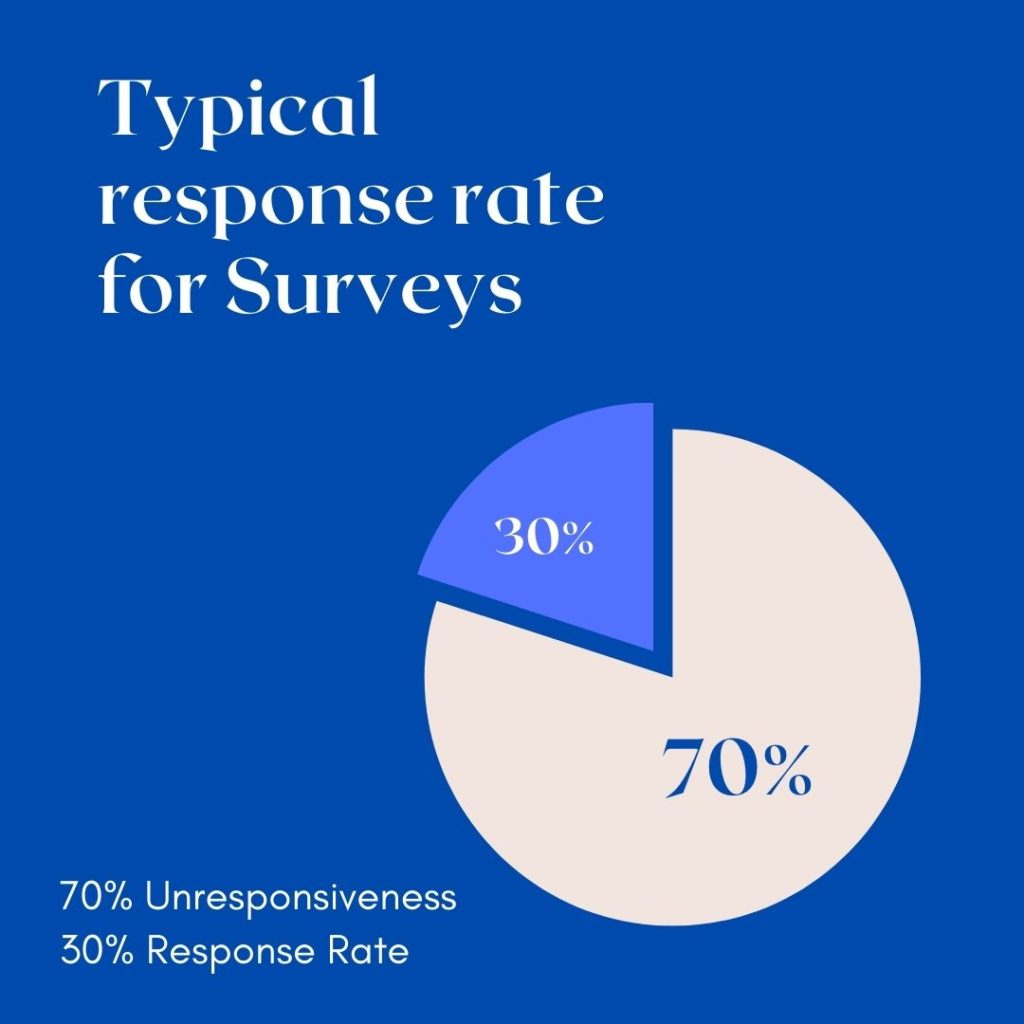
According to statistics, the typical response rate for surveys is only 10-30%.

Table of Contents

To increase their likelihood of acquiring survey participants, many survey takers now provide “survey incentives,” which are rewards for participation.


While survey incentives might increase response rates, they can sometimes have unintended repercussions. So, let’s look at the benefits and drawbacks of implementing survey incentives. 

How To acquire survey participants

What Is a Survey Incentive?

Most people who respond to surveys want to be helpful, have an interest in the subject, or want their voice to be heard. Others require an incentive.


A survey incentive is a form of award or reward, usually monetary, given for completing a survey. Some surveys award points, which can be redeemed for cash or a gift card after a certain number of points have been acquired. 

4 Benefits of Using Survey Incentives

When done right, online survey rewards can be quite effective. Here are five ways survey incentives can help survey research.

Do incentives increase the number of people who respond to Surveys

Boosting Response Rates

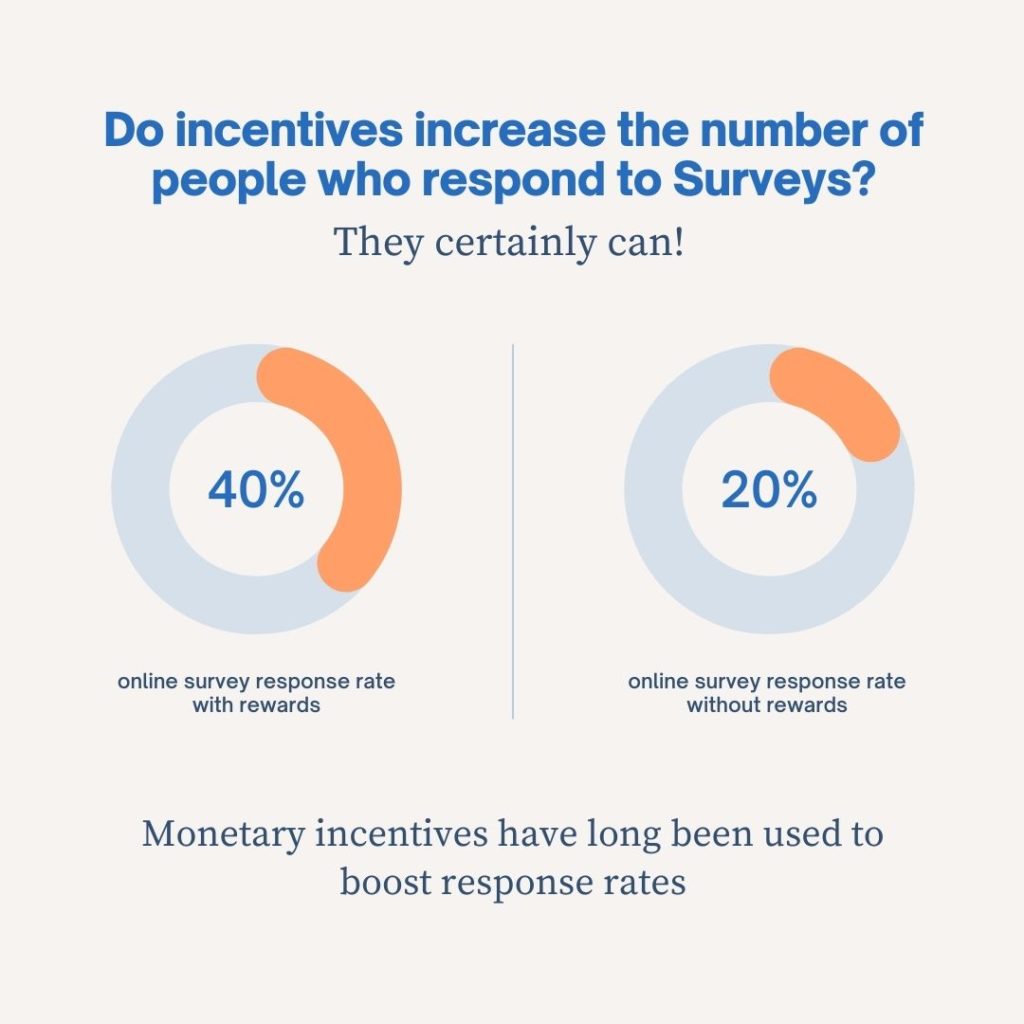
Do incentives increase the number of people who respond to surveys?


They certainly can! The most significant benefit of introducing incentives for survey participation is that respondents are more likely to complete the survey.

Monetary incentives have long been used to boost response rates.


In fact, one study discovered that providing a monetary incentive more than doubled the likelihood of participants returning a finished or partially completed questionnaire. 

4 Drawbacks of Survey Incentives

Targeting Hard-to-Reach People

Some researchers exclusively give incentives to specific audiences – people who are unlikely to reply to any survey.

For example, researchers surveying professionals in the healthcare business may offer an incentive to encourage participation since they understand how difficult it is to attract the attention of a busy surgeon, doctor, or nurse. 

Encouraging Participation in Lengthy Surveys

Do incentives increase the number of people who respond to surveys?


They certainly can! The most significant benefit of introducing incentives for survey participation is that respondents are more likely to complete the survey.

Monetary incentives have long been used to boost response rates.


In fact, one study discovered that providing a monetary incentive more than doubled the likelihood of participants returning a finished or partially completed questionnaire. 

Building Goodwill

Do incentives increase the number of people who respond to surveys?


They certainly can! The most significant benefit of introducing incentives for survey participation is that respondents are more likely to complete the survey.

Monetary incentives have long been used to boost response rates.


In fact, one study discovered that providing a monetary incentive more than doubled the likelihood of participants returning a finished or partially completed questionnaire. 

4 Drawbacks of Survey Incentives

Attracting Reward-Seekers

Customer survey incentives may attract the incorrect person—someone who is only interested in the reward.

Because their primary purpose is monetary gain, this type of respondent may rush through the survey to claim their prize or submit incorrect information.

This can cause your results to be skewed and cost you time and money. 

Introduces Bias in Surveys

Survey incentives may inadvertently add bias to your results.


Assume you provide a discount to restaurant guests who complete your exit survey with the best of intentions. Those who felt they received poor service and/or food are unlikely to return to your establishment and, as a result, are uninterested in a future discount. As a result, they will not complete the survey, and you will miss out on negative input that could help you improve the business.


Instead, you’ll only get great feedback from customers who want to return. While it is good to receive positive feedback, it is not always beneficial to the business. 

Budget Constraints

You may not have a lot of money to play with when it comes to financial incentives, depending on your budget.


Financial incentives can be difficult to come by, especially if you’re running a large survey with thousands of participants. 

Disappointing Respondents

Do you conduct surveys on a regular basis? Some businesses prefer to conduct quarterly or bi-annual surveys of their customers or participants.


If you provide a reward the first few times you send out a survey, it may become the norm.


When you reduce the incentive due to budget limits and send your next survey, participants who are accustomed to receiving a survey reward may not be interested.


By providing incentives and then removing them, you risk causing long-term damage to response rates. 

MIMO offers premier Data Collection solutions that are both qualitative and quantitative. Our Survey and Data experts coupled with our tech-enabled platform have ensured successful survey data collection across various geographies within specified timelines. 

Like this article?

Share on facebook
Share on twitter
Share on linkedin

More To Explore

Why Effective Background Checks for Small Businesses are necessary

bgvvv

Why Effective Background Checks for Small Businesses are necessary

It is a known fact that small businesses don’t employ as frequently as major corporations. When hiring, each new hire must be a good fit and when you bring a new member of your team on board, you should do so with an adequate amount of informationYou’ve worked hard to create your company and make a reputation for yourself. Hiring the incorrect individual might completely demolish all you’ve built. Fortunately, you have the option to do background checks on anyone you are thinking about hiring.  

Table of Contents

So, how can small businesses ensure that they employ the best and most cost-effective background checks?

Create a Background Screening Policy

Creating a standard by which to perform background checks is one of the simplest methods to save money on background checks. Background checks for small business should include: 

Working with a Professional Background Check Partner:

Because small businesses do not recruit as frequently as major corporations, it is critical to collaborate with a skilled background screening provider that will be a valuable partner. Here are some other requirements for a reliable background screening partner: 

Because every business’s needs are unique, it’s critical to choose a background check provider that’s right for you. Make a list of various background check choices and then select which one is ideal for your company. You can begin with the following checks:

Now, let us look at some of the reasons that make background checks for small businesses necessary:

Saves time and money

Hiring the incorrect employee as a small business owner can result in not just wasted compensation costs, but also time spent searching for and interviewing fresh prospects. 


Most small firms do not have the resources to go through lengthy litigation proceedings as a result of careless hiring, according to research. By properly conducting background check services, you can protect yourself from the unforeseen costs that can arise from non-compliance with legal rules pertaining to background checks.

A fair scrutinization of facts in the resume

As a small business, you want to hire someone who is trustworthy and who will fit in with your team. However, because people frequently lie on their resumes, it is difficult to determine whether the candidate is trustworthy. By conducting a background check, you can completely evaluate all of the information offered by the candidate in the resume, allowing you to make an informed decision. 


Only make a hiring decision after completing a thorough background check on the prospect. This will avoid the embarrassment of hiring the wrong person for your company and will also give you a good sense of whether the candidate is a good fit for your small business or not. 

Keeps your workplace safe and secured for existing employees

It is critical to guarantee that the workplace is a safe and secure place to work when working in a small business’s closely knit work environment. Workplace violence can have a negative impact on the entire working environment in small organizations. 


This emphasizes the need of hiring a professional background check service that can assist you in selecting the correct applicant by doing a criminal background check and an identity check to maintain your workplace safe and secure for current employees. 

Keep up with the legal compliance:

Because small firms do not hire as regularly as large enterprises, they may not be up to date on the current background check regulations. However, not knowing the laws can land your business in hot water while doing the checks. As a result, it is critical to seek the assistance of background check professionals to: 

How can MIMO help?

A professional background check service will provide you with appropriate guidance in selecting the diverse types of checks for the selection of a certain role. 


With the latest technology in operation, MIMO’s background screening services can be used to perform verification quickly and easily by small businesses. Businesses need to send a request to MIMO for a background check and they can receive all relevant records without delay. This will help you save a lot of time, which you can then utilize for more productive tasks. 


Working with a reputable background check firm will save you time and money while also ensuring that you remain compliant in the customer screening process. 


Here at MIMO, we are aware of the high levels of transparency, complex legislation, and laws that the financial sector and other industries must adhere to and comply with. MIMO offers all-inclusive background check services with a focus on protection to provide you with the most reliable and up-to-date details. 

Like this article?

Share on facebook
Share on twitter
Share on linkedin

More To Explore

How last mile route optimization tech can facilitate efficient Supply chain operations

Untitled-1

How last mile route optimization tech can facilitate efficient Supply chain operations

In the logistics and supply chain industry, last-mile delivery is the primary driver of customer satisfaction. It has a direct impact on profitability because it is the most time-consuming, costly, and unpredictable aspect of the entire process. Tight delivery timetables, fluctuating fuel costs, and little control over delivery teams make last-mile delivery difficult to manage. 


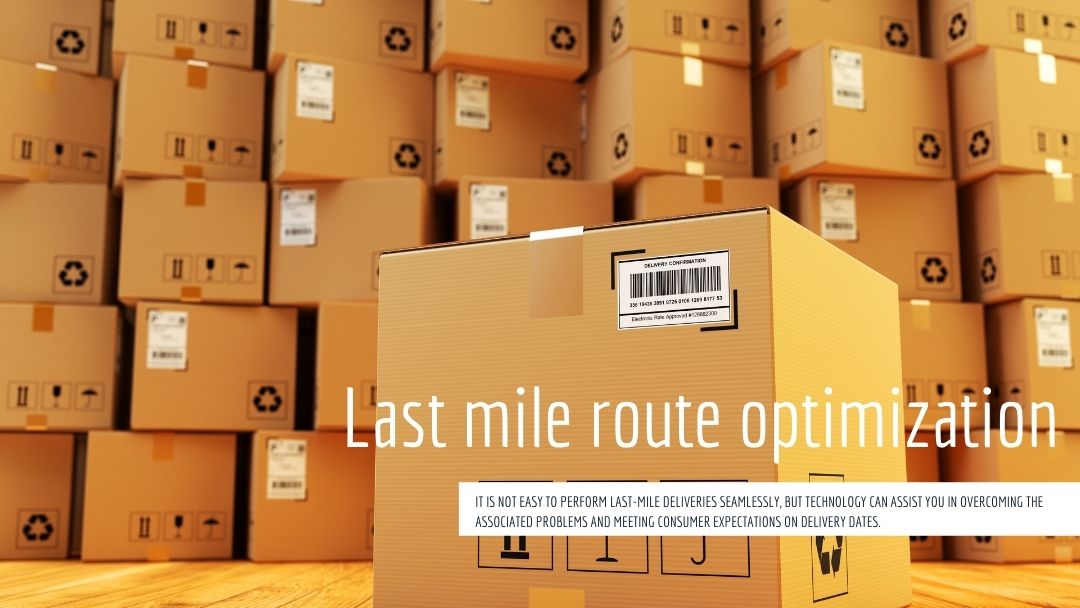
It is not easy to perform last-mile deliveries seamlessly, but technology can assist you in overcoming the associated problems and meeting consumer expectations on delivery dates. 

Table of Contents

Last Mile route optimization improves the effectiveness of your supply chain while also providing a positive client experience. It can assist you in the following ways:

Cost Reduction

Using AI-powered sophisticated, route optimization solutions allow you to plan, schedule, and re-route your trips more efficiently. Planning your delivery schedule ahead of time allows you to reduce travel time and fuel expenditures from one customer address to the next. Dynamic re-routing enables you to maximize time slots, prioritize deliveries, and communicate route changes to drivers in real time. 

Enhances Efficiency

Reduce operational costs by lowering fuel expenditures and monitoring driver performance with a route optimization system tailored to your needs. Using multi-stop route planning saves you time that would otherwise be spent manually plotting routes and calculating fuel prices. The software selects the shortest and fastest routes, allowing you to deliver more in less time while also optimizing fuel use and lowering your carbon footprint. 

Ensures Transparency

Last mile route optimization software includes real-time tracking and digital delivery receipts. Customers can choose their preferred delivery times and alternate delivery locations. They can be kept up to date on package status and delivery times. You can keep track of each item and avoid fraudulent activity with real-time driver surveillance. 

Easy rerouting and rescheduling

Route planning and scheduling are critical for any logistics company. You may be required to reroute delivery orders due to unusual circumstances such as traffic, road conditions, rapid weather change, address discrepancy, and emergency deliveries. Route optimization software will aid in faster rescheduling and faster communication with drivers in order to keep delivery rates within time constraints. 

Easy rerouting and rescheduling

Route planning and scheduling are critical for any logistics company. You may be required to reroute delivery orders due to unusual circumstances such as traffic, road conditions, rapid weather change, address discrepancy, and emergency deliveries. Route optimization software will aid in faster rescheduling and faster communication with drivers in order to keep delivery rates within time constraints. 

Using Last mile route optimization/planning solutions and approaches, leading logistics organizations are successfully planning their transportation routes and timetables to satisfy the growing degree of client expectations. Route optimization software optimizes route planning for a variety of purposes, including pickup planning, route identification, cargo arrival time estimation, and scheduled deliveries. 

Distribution networks in India are complicated webs containing components such as retail networks, wholesale networks, and logistic infrastructure. Logistics is the lifeline of the Indian economy, and it is undergoing rapid transformation. However, because of their complexity, logistics networks are sometimes fraught with uncertainty.

Few challenges faced by last mile logistics and delivery businesses are:

Delivery delays

Late delivery degrade the customer experience and result in revenue loss. A minute delay in timeframes might cause consumer displeasure and necessitate rescheduling for your company. Managing disgruntled consumers and re-planning delivery would consume a large amount of your company’s time, resources, and capital.

How last mile route optimization tech can facilitate efficient Supply chain operations

Managing delivery density

Managing delivery workloads becomes more difficult when order numbers fluctuate. While logistics companies deal with the flood of deliveries during holiday or discount seasons, they must also concentrate on producing revenue during periods of infrequent ordering. Regardless of supply chain obstacles, customers want items to be delivered on time and to their liking. 

How last mile route optimization tech can facilitate efficient Supply chain operations

Optimizing last-mile delivery costs

Last-mile delivery has become expensive for logistics companies due to rapidly expanding competition and changing client expectations. According to a Capgemini research report, last mile services account for 41% of supply chain expenditures. To keep up with the competition, offering competitive delivery rates or altogether waiving them is becoming the new norm. Customers desire speedier deliveries, which raises costs and makes maintaining profitability more difficult. 

Key Takeaway

Route optimization technology is a delivery innovation that empowers supply chain enterprises that provide last mile delivery. It provides end-to-end transparency throughout the delivery process, including return management. Using technology to streamline your last mile operations and scale your organization by automating route planning and delivery management processes while providing excellent customer service. 

How can MIMO help?

Last mile delivery optimization can help you make faster deliveries. So, are you ready to improve the efficiency of your last mile distribution network? MIMO can assist your company in going online by providing the best last mile services in the region. 


The ability to effectively manage the transportation delivery process is becoming increasingly necessary in today’s world. MIMO Technologies provides a technologically advanced platform for efficiently transporting goods and items and achieving high levels of accuracy in last mile delivery. 


Our field officers are trained to complete time-sensitive work and deliver it to your customer in India’s most remote locations within agreed-upon deadlines. Over 14000 field officers work in a variety of rural and semi-urban settings. 

Like this article?

Share on facebook
Share on twitter
Share on linkedin

More To Explore